What is Albasia Bare Core?
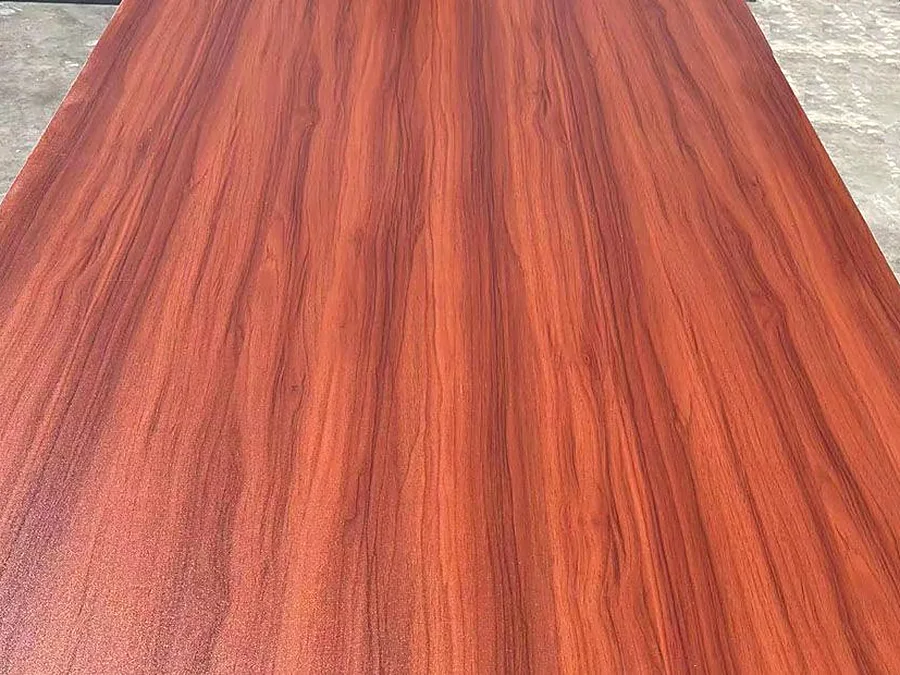
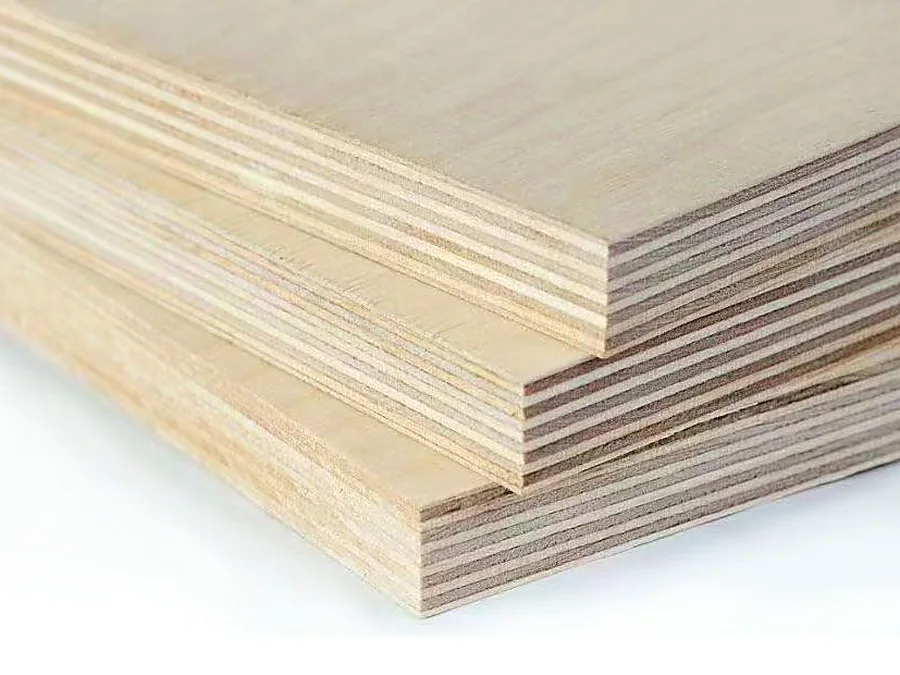
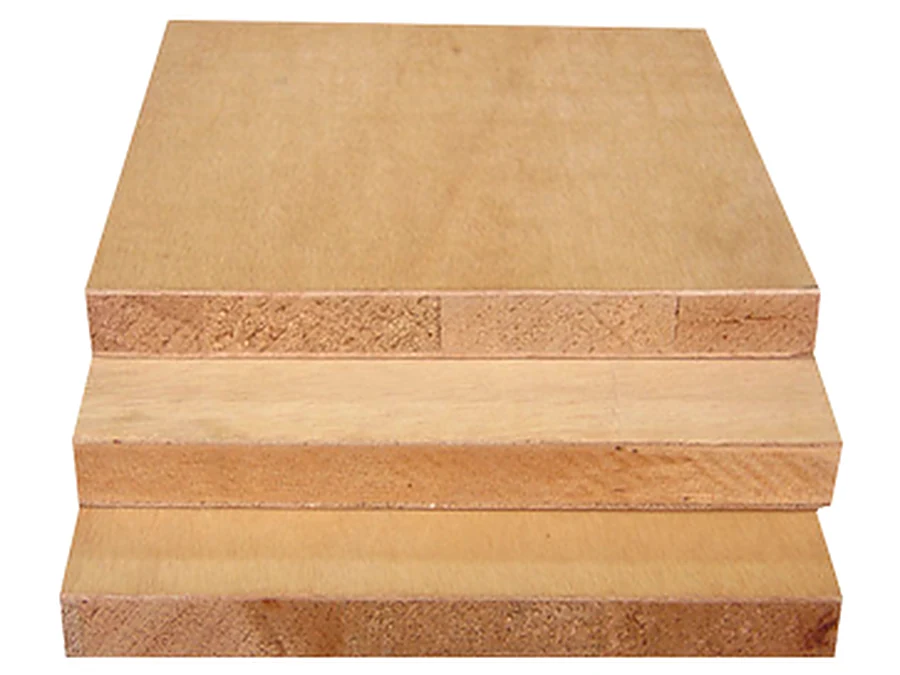
Albasia bare core — also traded as falcata core, sengon core or albizia core — is a panel made from finger-jointed strips of Albizia falcataria, a fast-growing plantation species from Indonesia and the Philippines. It is sold without face veneer, because the buyer applies their own veneer, melamine paper or HPL to turn it into blockboard, melamine board or a finished decorative panel.
The species is one of the lightest commercial timbers in use, at 0.23–0.35 g/cm³ — lighter than poplar and far lighter than eucalyptus or birch. That low density is the commercial argument: more cubic metres per container, easier handling on the line, and a finished panel that stays light on the wall or in the cabinet.
Specifications
Standard production range. Sizes, glue types and grades outside this table can be produced to order — tell us the specification your customer requires.
| Panel size | 1220 × 2440 mm · 1250 × 2500 mm |
|---|---|
| Thickness | 9 / 12 / 15 / 18 / 21 / 25 / 30 mm (9–21 most common) |
| Core species | Albizia falcataria (sengon / falcata), kiln-dried |
| Joint type | Finger-joint or butt-joint strips |
| Density | 0.23 – 0.35 g/cm³ |
| Moisture content | 8 – 12 % |
| Thickness tolerance | ±0.3 mm after calibration |
| Surface | Calibrated both faces, ready for gluing |
Why buyers choose our Albasia Bare Core
Light enough to change the freight maths
At 0.23–0.35 g/cm³ albasia is roughly 40 % lighter than poplar and 55 % lighter than eucalyptus. On a container priced per cubic metre, that weight advantage translates directly into more panels per shipment and lower cost per finished unit.
Kiln-dried and calibrated to ±0.3 mm
Warped or over-thick core is the main cause of blistering when a melamine face is pressed on. Our core is dried to 8–12 % and calibrated so the press cycle behaves predictably.
Finger-joint quality you can specify
We can supply finger-joint only, no butt joints, with a specified joint pitch. Buyers producing face-visible melamine panels usually want this — butt joints telegraph through thin paper.
We will tell you where not to use it
Albasia is not a structural or exterior species. It has low natural durability and modest screw-holding. Used as an interior core it is excellent value; used outdoors it will fail. We would rather lose the order than the relationship.
Applications
Blockboard core
Finger-jointed strips forming the core of 16–18 mm blockboard.
Melamine-faced board core
Substrate for melamine paper and HPL-faced decorative panels.
Door cores
Lightweight hollow-core and solid-core door blanks.
Furniture carcasses
Interior panels where weight reduction matters.
Partition and ceiling panels
Lightweight interior building panels.
Packing & container loading
| Container | Volume | Details |
|---|---|---|
| 20GP | ≈ 22 m³ | Lighter density allows a fuller load than hardwood core |
| 40HQ | ≈ 30 m³ | 20–24 pallets, steel strapped |
| Protection | Waterproof wrap; core is hygroscopic and must stay dry in transit |
All shipments are palletised, steel strapped and wrapped in waterproof film. Loading photographs and a full document set are sent for every container.
Frequently asked questions
What is the difference between albasia, falcata and sengon?
Can albasia bare core be used outdoors?
What moisture content should albasia core be?
Why is finger-joint better than butt-joint for melamine panels?
Need a price for Albasia Bare Core?
Tell us the specification and destination port. Formal offer within 24 hours, samples available on request.