What is Poplar Plywood?
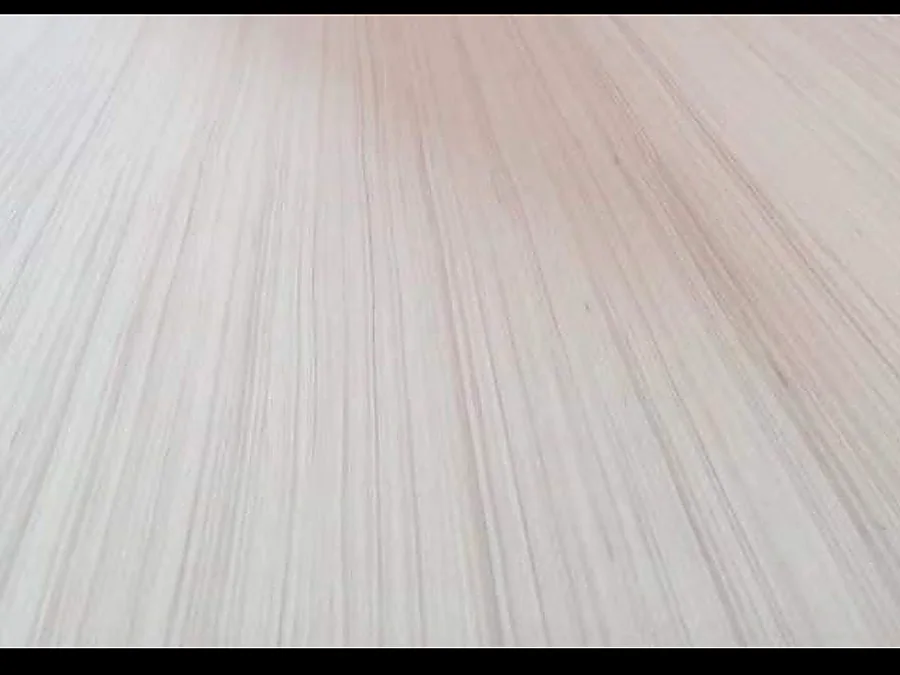
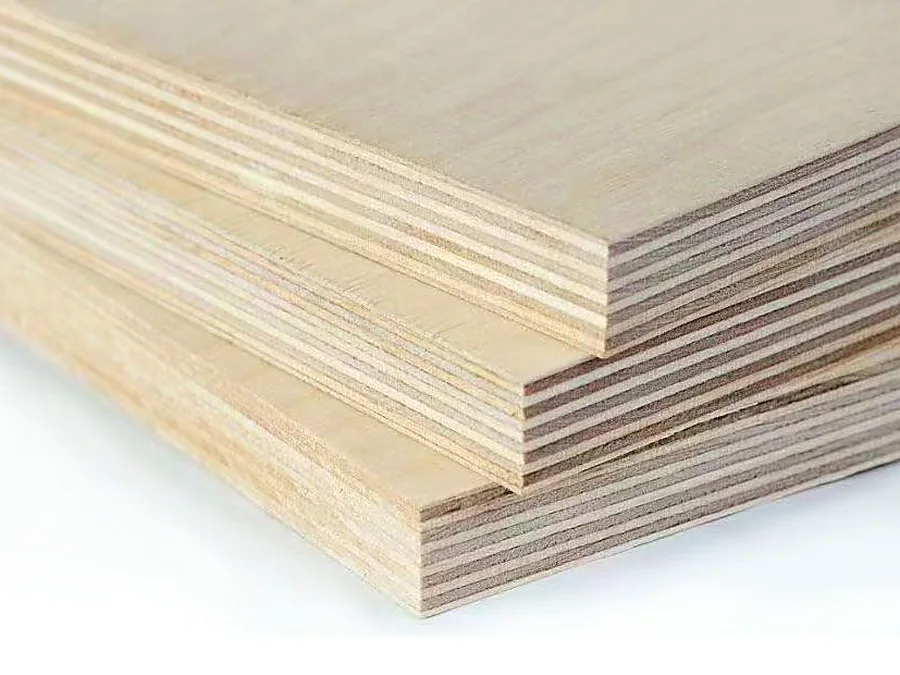
Poplar plywood is made from poplar veneers, a fast-growing plantation species with a pale, almost white colour and a fine, unobtrusive grain. It is light, flat and cheap to produce, which makes it the default substrate wherever a panel will be painted, laminated, veneered or hidden inside a carcass.
Because poplar is soft, it does not hold screws as well as birch or hardwood — an important limitation to design around. Used correctly, as a substrate rather than a structural panel, it delivers the best cost-per-square-metre of any plywood we produce.
Specifications
Standard production range. Sizes, glue types and grades outside this table can be produced to order — tell us the specification your customer requires.
| Panel size | 1220 × 2440 mm · 1250 × 2500 mm |
|---|---|
| Thickness | 2.5 / 3 / 4 / 5 / 6 / 9 / 12 / 15 / 18 / 25 mm |
| Core | 100 % poplar |
| Adhesive | E1 urea · MR |
| Density | ≈ 500–530 kg/m³ |
| Grades | BB/CC · BB/BB · DBB/CC |
| Surface | Sanded both sides |
| Bending strength | Lower than birch — design as a substrate, not a beam |
Why buyers choose our Poplar Plywood
Best cost per square metre
Poplar grows fast and machines easily, so the panel is inexpensive without cutting corners on glue or calibration.
Pale face that disappears under paint
The near-white veneer does not bleed through light-coloured lacquer, unlike darker hardwood faces that need a blocking primer.
Light enough to handle
At around 510 kg/m³ it is roughly 25 % lighter than birch, which reduces freight cost per panel and makes it easier to move around a workshop.
Consistent thickness for laminating
Calibrated panels laminate and edge-band predictably, which matters on automated furniture lines.
Applications
Furniture substrates
Carcasses, drawer bottoms and back panels that will be veneered or laminated.
Packaging and crates
Light, cheap and nail-friendly for one-way export packaging.
Signage and display
Painted panels and printed display work.
Door skins and panelling
Where a smooth painted finish is required.
Laser-cut craft blanks
Low cost and clean cutting for non-structural decorative work.
Packing & container loading
| Container | Volume | Details |
|---|---|---|
| 20GP | ≈ 20 m³ | Palletised with film wrap |
| 40HQ | ≈ 28 m³ | 20–24 pallets, steel strapped |
| Note | Thin panels (2.5–6 mm) | Extra top and bottom boards to prevent bowing |
All shipments are palletised, steel strapped and wrapped in waterproof film. Loading photographs and a full document set are sent for every container.
Frequently asked questions
Can poplar plywood be used for furniture?
How does poplar compare with birch plywood?
What is the difference between E1 and MR glue in poplar plywood?
Need a price for Poplar Plywood?
Tell us the specification and destination port. Formal offer within 24 hours, samples available on request.